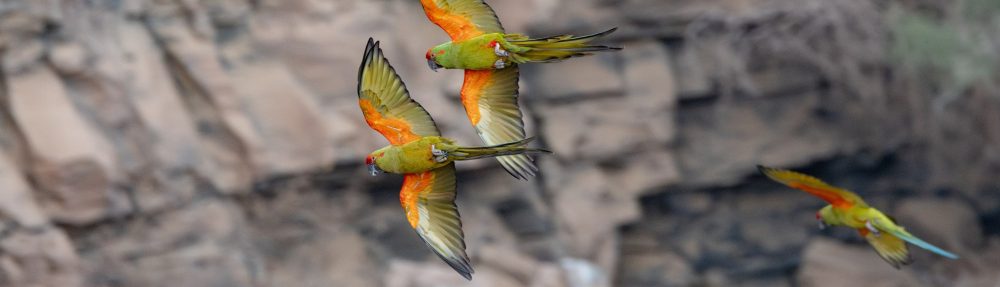
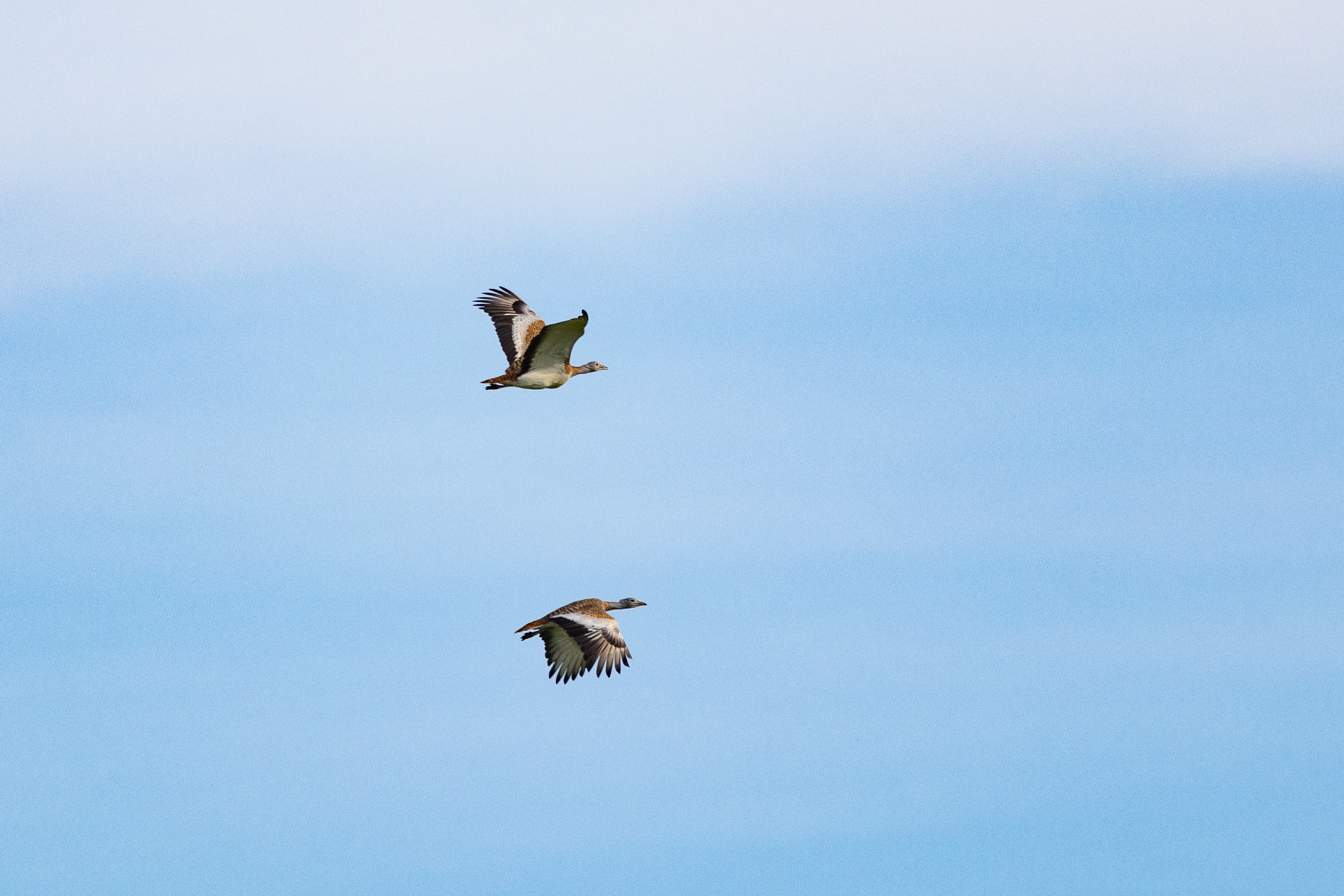
We really enjoy birding in Spain and a weekend trip was a good way to escape the winter in The Netherlands. We decided on visiting the Extremadura region with the Monfrague NP and the steppe area near Ceceras since it offers some very good birding. We had already visited this region in the summer of 2021, but in winter the birding is nicely different (wintering groups of Common Cranes, higher numbers of Little Bustard and Great Bustard etc).
Author Archives: Rob & Helen
Bolivia [2023]
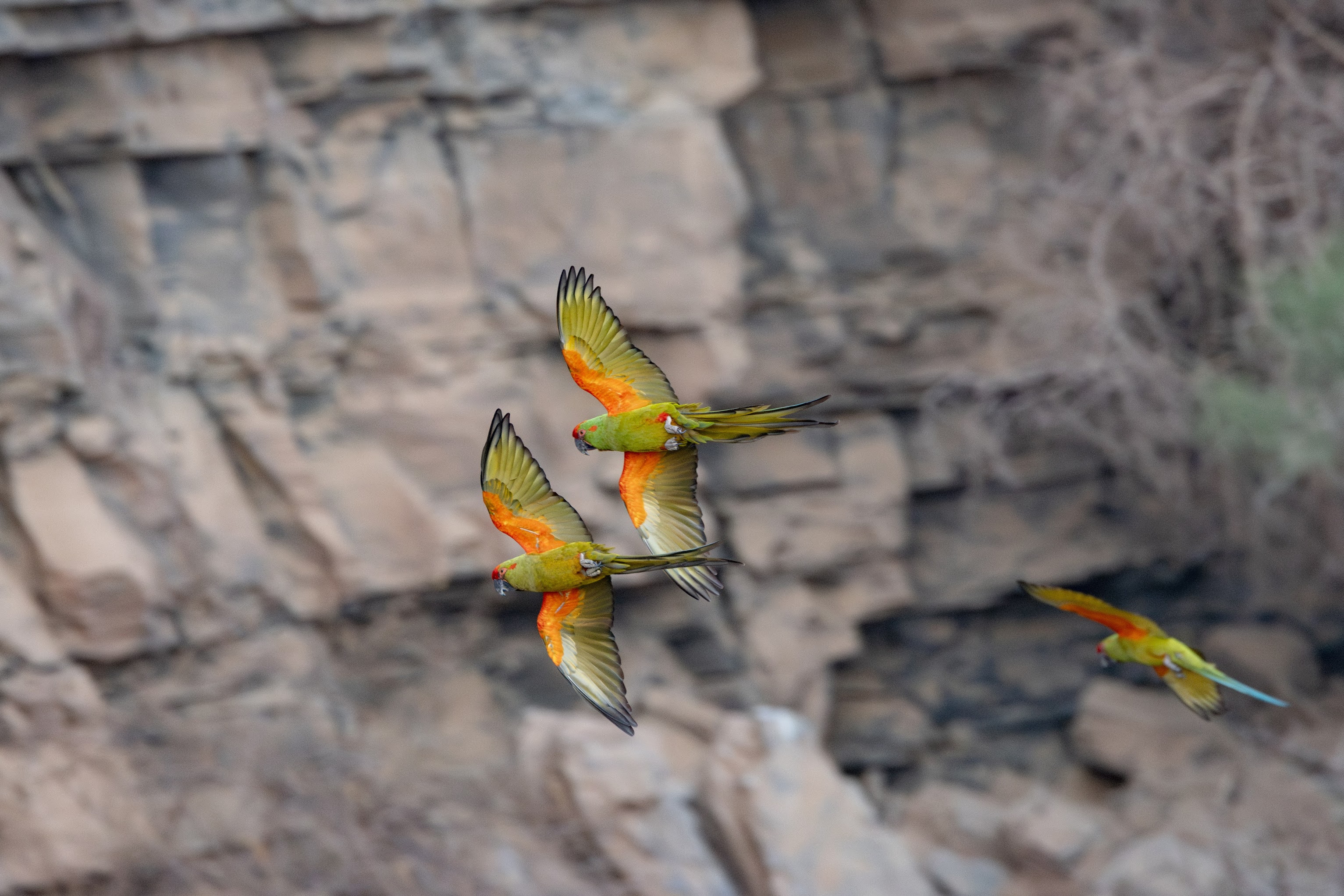
Bolivia had been on the radar for quite a while, and this year we finally made it to this new country in the Andes. Three weeks was just a bit on the short side to do a complete loop of the birding sites (even with skipping outliers such as Sadiri lodge and Riberalta) but we managed to make a three-week itinerary and even add in an attempt for Horned Curassow in the TIPNIS-reserve. Quite a high-paced and tiring trip, but with excellent birds! In total we saw 469 birds.
Rwanda [2023]

Last year we visited Kenya in April and the Tanzania in August. With those awesome birding experiences still fresh in our memory we started exploring the possibility to do short trip (9 days) to Africa to continue the streak. We first looked at Uganda, which we had already visited in 2016, but 9 days would be too short to do a full clean up trip. Rwanda however turned out to be a perfect destination; there are 3 major National Parks to visit (Volcanoes NP, Nyungwe NP and Akagera NP), all within a 2-5 hour drive from the capital Kigali. This gives a nice combination of mountain forest birding with many of the Albertine Rift endemics, complemented with some nice savannah birding. In our 9-day trip we were able to visit all 3 sites and see the selection of birds that is only/best seen in Rwanda. In total we saw 259 birds.
NE India [2023]

Our last visit to India was in 2012 so a next visit was due. We chose the North-East because the mouthwatering set of species (and landscapes, and food). This destination had been on our radar for many years, and this spring the plan came together. We were joined by our friends Sjoerd Radstaak, Jelmer Poelstra, Marten Hornsveld & Vivian Jacobs and as a total group of 6 people this worked out very well. Most of NE India cannot be done independently so we arranged the help of Peter Lobo (All India Birding Tours) and with 2 cars with drivers and a guide we set out for an awesome 3-week adventure. This was a great destination to visit with our friends and, as none of us had been in the area, everyone came home with an impressive list of new birds. In total we saw 511 species, of which 137(!) were lifers for us.
Israel [2023]
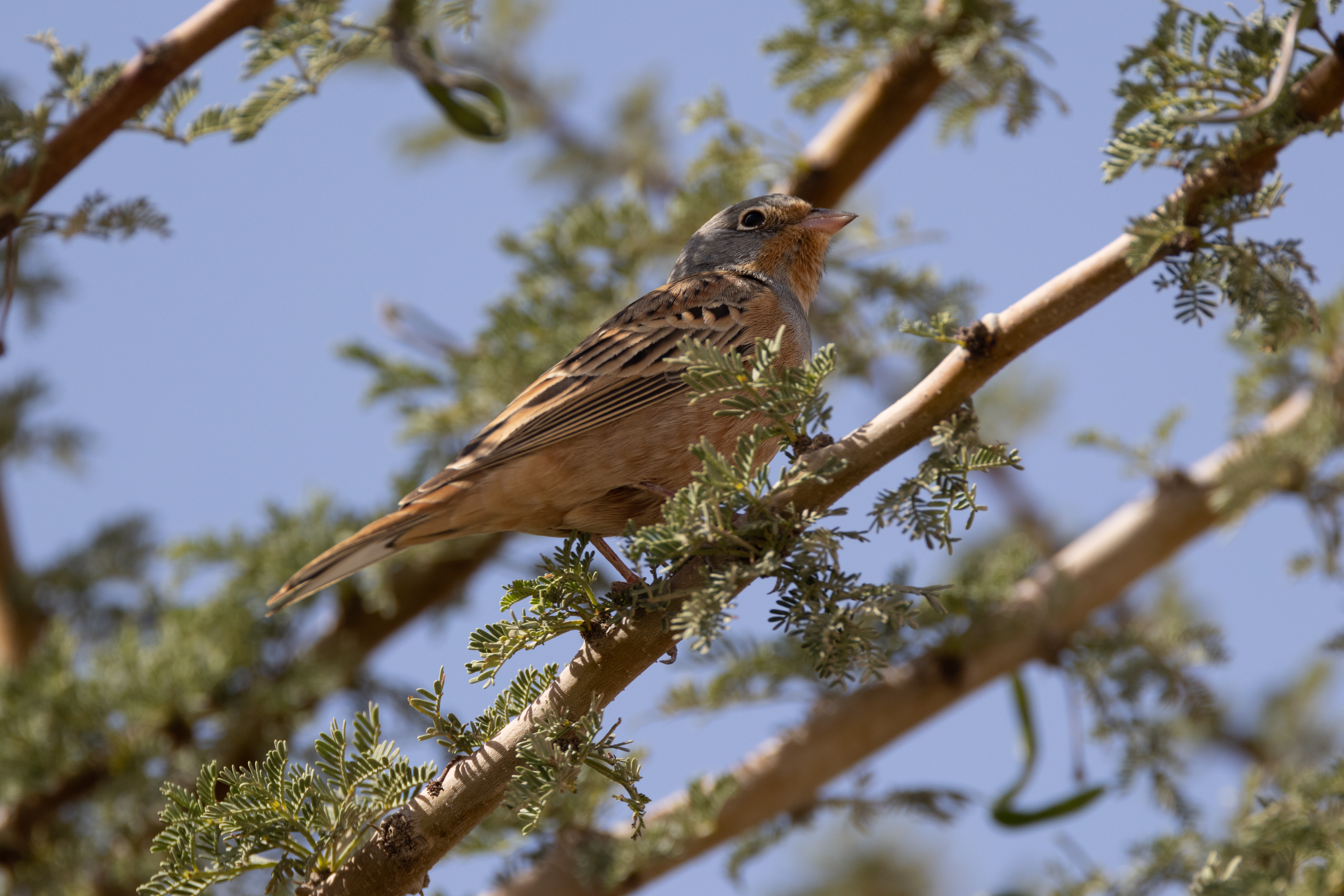
To catch some early spring migration and target a few remaining lifers we decided on a long weekend trip to Israel in the first week of March. Main targets where Spotted Sandgrouse (seen multiple times), Desert Owl (known stakeout near Dead Sea), Temminck’s Lark (missed), Clamorous Reed Warbler (common), Black Scrub Robin (breeding at Kibbut Samar but not seen during our short visit in the heat of the day), Ruppell’s Warbler (one seen) and Cyprus Warbler (missed). We chose beginning of March to optimize our chances for Ruppell’s and Cyprus Warbler that migrate through Israel around this moment. In the end we were lucky with a beautiful male Ruppell’s Warbler but we did not see a Cyprus Warbler.
Overall it was a very fun trip and a joy to catch the first signs of spring migration. Next to the targets mentioned above, we encountered many European birds on their migration journey through the desert: Groups of Barn Swallows, Swifts, Bluethroats, Common Chiffchaffs, Isabelline Wheatears, Lesser Whitethroats, Steppe Eagles and Tawny Pipits were among the more numerous ones, but also single individuals of Woodchat Shrike, Cretzschmar’s Bunting, Booted Eagle, Red-throated Pipit, Common Quail and Eastern Olivaceous warblers were cool to encounter.
SE Brazil [2022]

In 2015 we first visited Brazil with a 3-week trip to the Northeast. After several other trips in South America it was time to return to Brazil and a trip in the Southeast seemed a good choice.
From São Paulo we made roundtrip visiting Itatiaia NP – Nova Friburgo – Mata dos Caetes – Santa Teresa – RN Vale – Santuario do Caraca – Cerro de Cipo – Montes Claros – Botumirim – Estrema – Pompeu – Serra da Canastra – Intervales. A very nice combination of Atlantic rainforest and some drier inland places (although given that it was the rainy season even inland places were wet). In total we saw 443 species, of which 138(!) were lifers.
Gran Canaria [2022]

This was not a dedicated birding trip but a week of remote working/ leisure combined with finding the last remaining lifer of the Canary Islands: the Gran Canaria Blue Chaffinch (although the local Robin might also be split in the future). Given that we visited in November the bird activity was very low and it took us most of the day to find the Blue Chaffinch near El Juncal (first a female and on the way back a nice pair). The rest of the week was spent working, hiking, enjoying the food and some short birding stops along the coast.
Tanzania [2022]

Usambara, Uluguru, Udzungwa, Rubeho & Ukaguru – the names alone make you want to go there! Tanzania has a surprising number of country endemics within its borders due to islands of isolated forest mountains in the Eastern Arc chain stretching from Taita Hills (Kenya) to the Udzungwa mountains in Tanzania. With a short taste in Kenya earlier this year we couldn’t wait for more. Special thanks to Ross Gallardy for pre-trip information, David Moyer for contact with Elia and Elia Mulungu for his excellent guiding for a part of the trip.
Georgia [2022]
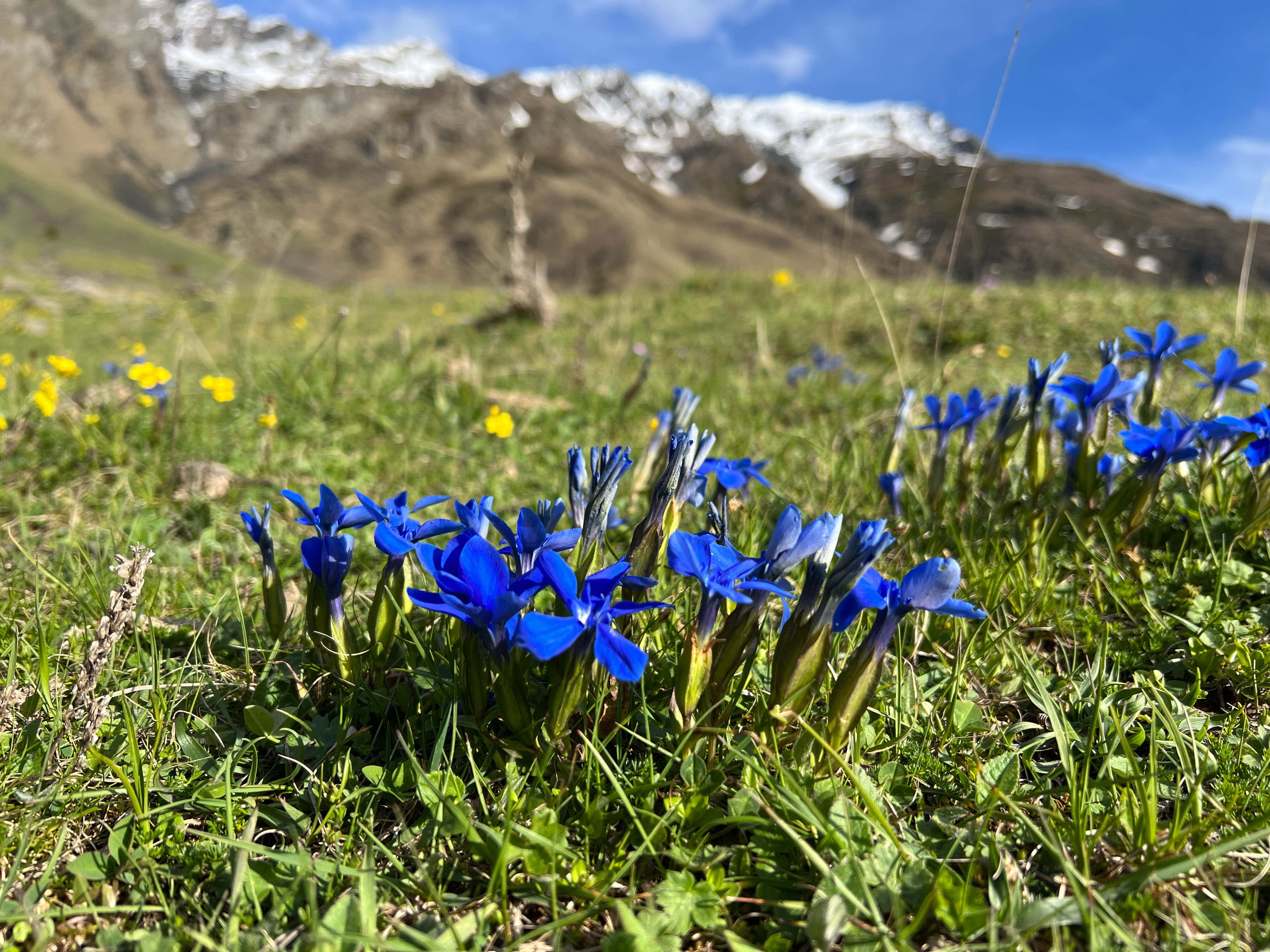
End of May we did a short 5-day trip to Georgia with the goal of seeing a handful of lifers in the Caucasus mountains. The best time to visit is earlier in the year (end of April/ beginning of May) when most birds are found lower down in the valleys because of the snow. Our late visit meant we had to hike higher up, but still we managed to find 5+ Caucasian Snowcocks (more were heard) and 8+ Caucasian Grouses on the ridges above us. Great Rosefinch and Güldenstädt’s Redstart turned out to be more tricky but we managed to find both (and luckily bright plumaged males). And with singing Mountain Chiffchaffs in the valley and an additional stop for Krüper’s Nuthatch near Tbilisi the trip ended with 6 lifers but also a long list of cool birds along the way: Ring Ouzels, Twites, Alpine Accentors, Common Rock Thrush, Bearded Vulture, singing Barred Warblers, Greenish Warblers and Common Rosefinches, and a nice roadside stop for Red-breasted and Semi-collared Flycatcher.
Kenya [2022]

It had been too long since we had been to Africa, and since Helen did not visit Ethiopia, East Africa was the biggest gap in her life list. Kenya was a perfect destination for a three-week self-driving trip in April, with a great variation in habitats, lots of species and a nice set of endemics.
 Penguinbirding
You must be logged in to post a comment.